Dufferin County is horse-and-hobby-farm country. Around Orangeville, a lot of properties have more than a house — a barn, a detached workshop, a tack room, a farm office, a heated space for equipment or projects. And a lot of owners want to actually use those spaces through an Orangeville winter, not just survive in them.
Insulating an agricultural or hobby-farm building is its own challenge — big volumes, unusual construction, sometimes livestock, often a combustion heater — and spray foam is frequently the right tool. But the safety side matters more here than almost anywhere. Here’s the honest guide.
Why farm and hobby buildings are hard to heat
An agricultural building is built for shelter and function, not for holding heat:
- Little or no insulation — pole barns, steel buildings, older wood structures
- Big volumes and tall spaces — a lot of air to heat
- Metal cladding or board walls — cold surfaces, condensation-prone
- Exposed structure — trusses, purlins, open framing
- Often a combustion heater — propane or a wood stove for the workshop
Trying to heat one of these as-built is a losing battle. Insulating the part you actually use — a workshop bay, a tack room, a heated office corner — is what makes it workable. And spray foam suits these buildings because it insulates and air-seals the irregular, exposed assemblies at once, and (as closed-cell) handles the condensation that plagues metal and cold farm buildings.
The two products, briefly
| ½ lb open-cell | 2 lb closed-cell | |
|---|---|---|
| Approx. R per inch | ~R-3.5 – R-3.8 | ~R-6.0 – R-7.0 |
| Own vapour barrier? | No | Yes, at sufficient thickness |
| Moisture / condensation | Absorbs | Resists |
| On metal / steel buildings | Less suitable | Well-suited |
| Best here for | Interior partitions, sound | Barns, workshops, metal buildings, cold walls/roofs |
For farm buildings, closed-cell is almost always the workhorse — especially on metal buildings, where its air seal and moisture resistance stop the condensation that otherwise drips off a steel roof or wall. Closed-cell → · Open-cell →
What actually gets insulated
Most owners don’t insulate the whole barn — they insulate the part they heat and use:
The workshop or shop bay
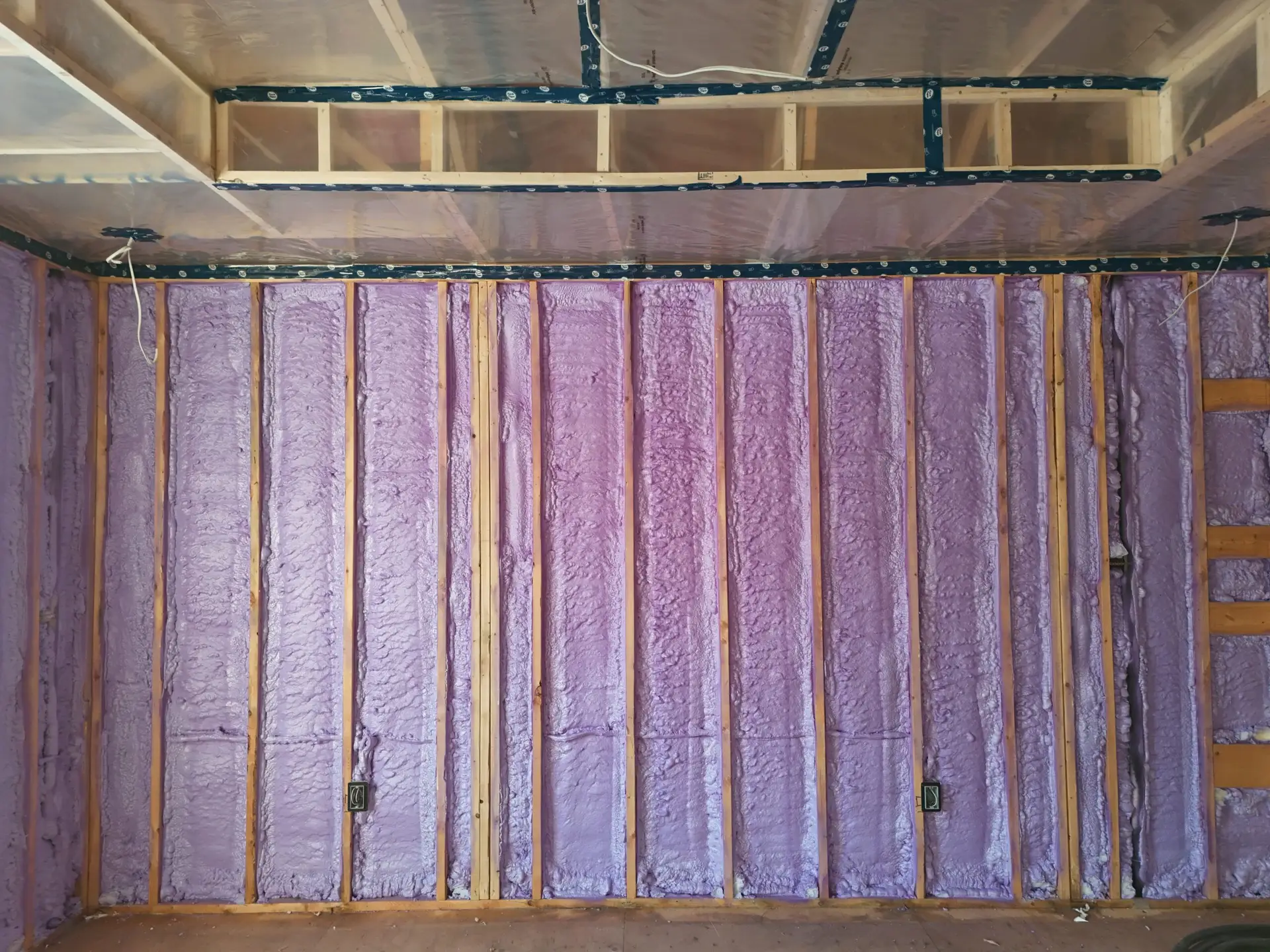
Wall it off, insulate the walls and ceiling/roof with closed-cell, and you have a workspace usable through the winter. On a metal building, foam on the underside of the roof and walls also stops condensation dripping on your tools and projects.
The tack room or feed room
A small, insulated, sometimes heated room within a barn. Closed-cell in the walls and ceiling keeps it at an even temperature — important for tack, feed, and anyone working in it.
The farm office or heated corner
A finished, heated space carved out of a larger building — closed-cell walls and ceiling make it comfortable and efficient.
The metal/steel building envelope
Closed-cell sprayed on the interior of a steel building’s roof and walls is a standard, effective way to insulate it and — critically — stop the condensation that metal buildings are notorious for.
⚠️ The safety rules matter more on a farm — read this part
This is where a farm building differs from a house, and where DIY foam jobs go dangerously wrong:
Combustion and ventilation. Farm workshops and heated spaces very often run a propane heater or a wood stove. When you air-seal a space tight around a combustion appliance, you change how it manages air — and that creates a real carbon monoxide risk if combustion air and venting aren’t handled. Every heated, sealed farm space needs a proper ventilation strategy and a carbon monoxide detector. This is not optional.
Fire and ignition barriers. Cured spray foam is combustible and, in most occupied and many agricultural settings, must be covered with an approved thermal or ignition barrier (like drywall) — not left exposed. This matters especially in a building with equipment, fuel, hay, or ignition sources. Get the code requirement right for your building type. Fire-rated drywall →
Livestock and air quality. If animals share or neighbour the space, ventilation and air quality matter for them too, and the timing/curing of foam around livestock needs planning. This is an assessment-first job.
Hay and combustion. Stored hay and fuel plus a heat source in an insulated space is a fire-safety consideration that needs thinking through — not something to improvise.
Bottom line: insulating a farm building is very doable and very worthwhile, but the combustion, fire, and ventilation safety is genuinely more serious than in a house. This is a job to assess and do properly, not with a DIY kit.
Where foam isn’t the answer
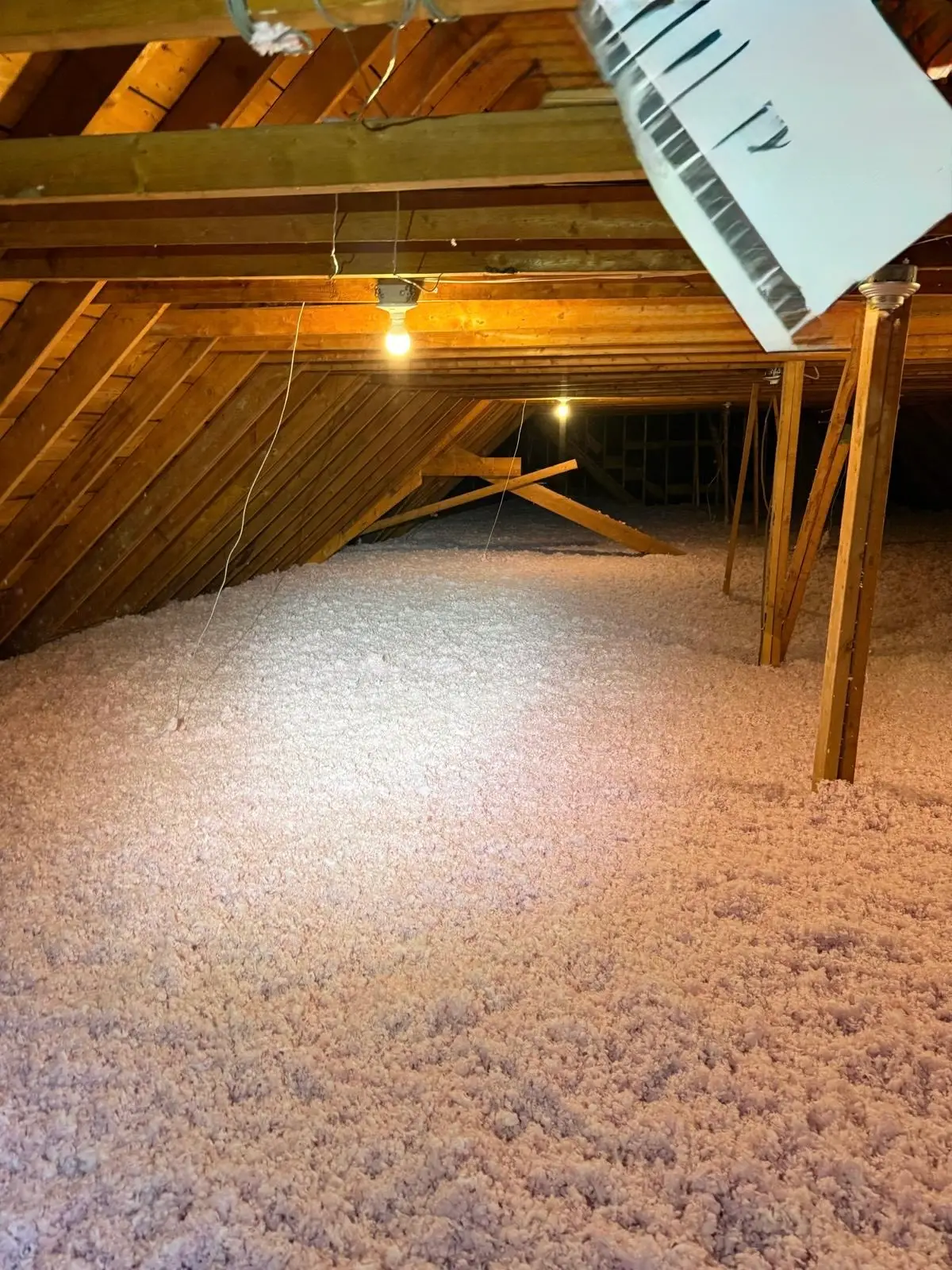
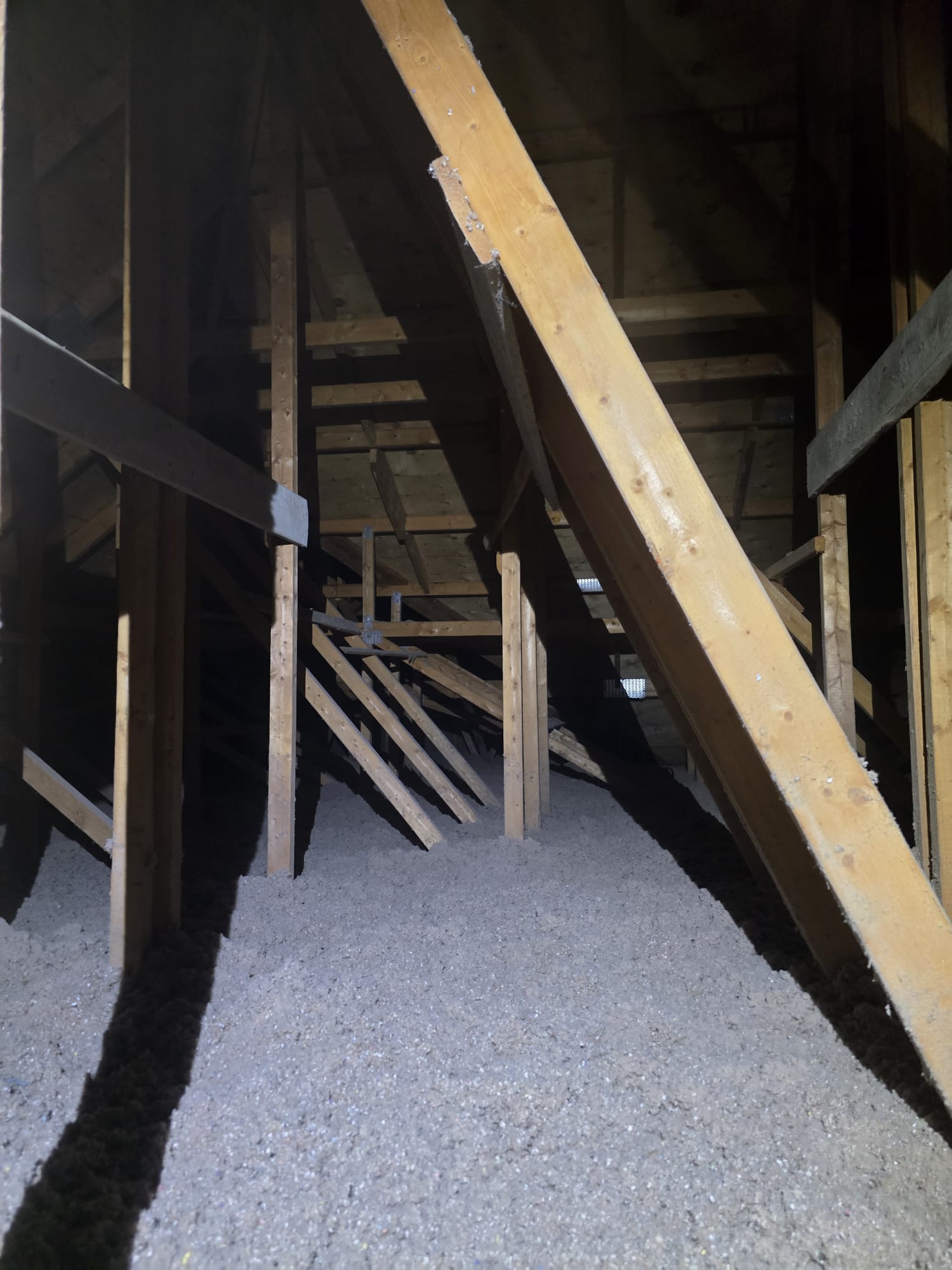
The farmhouse attic — blown-in reaches full depth for less. Attic insulation →
A space you’ll never heat — insulating the walls of an unheated barn does little (though closed-cell on a metal roof can still stop condensation, which is sometimes reason enough).
Over an unresolved moisture or drainage problem — fix water first.
Interior partitions where you only want sound — mineral wool.
Practical questions
Can you insulate my workshop or barn space? Yes — typically the part you heat and use (a shop bay, tack room, office), with closed-cell foam, plus the combustion/ventilation/fire safety planned in. We’ll assess what’s practical for your building.
Will foam stop the condensation dripping off my steel building? Closed-cell on the interior of the roof and walls is the standard fix for metal-building condensation — it stops warm moist air from reaching the cold steel.
Do I need to leave during installation? On an unoccupied outbuilding, rarely an issue. We install Insulthane Extreme by Elastochem; we’ll plan ventilation, re-entry, and any livestock considerations, and flag respiratory sensitivities.
Is it safe to run my propane heater in an insulated shop? Only with proper combustion air, venting, and a CO detector — which is exactly why the ventilation and combustion setup has to be part of the plan. We’ll flag what’s needed.
Do I have to cover the foam? In most occupied/agricultural settings, yes — cured foam needs an approved ignition/thermal barrier. We handle that.
Does a farm building qualify for the insulation rebate? The Home Renovation Savings program is oriented to the home’s main conditioned living space. A barn, workshop, or standalone farm building is generally outside it. Worth checking the specific case. Orangeville rebate details →
⚠️ Program terms change — confirm at homerenovationsavings.ca.
Get the farm building assessed properly
A heated workshop, tack room, or insulated barn space makes a hobby farm far more usable through an Orangeville winter — but the combustion, fire, and ventilation safety has to be right. We’ll assess your building, tell you what’s achievable, and do it safely.
Pro Insulation Contracting has insulated Ontario homes and structures for over 10 years and serves Orangeville and Dufferin County.
📞 (416) 315-0471 · Book a free assessment →